The Community and Promotive Health Services Department leads the Ministry’s preventive and promotive health agenda. It designs and coordinates programmes that prevent disease, promote healthy behaviours and environments, and reduce the burden of preventable, communicable and treatable diseases in Malawi.
Core functions: policy and standards development; programme planning and coordination; technical support; monitoring of implementation; and coordination of preventive and promotive health interventions
The Public Health Division promotes healthy environments and coordinates interventions to prevent health risks arising from unsafe water and sanitation, food, vectors and vermin, occupational hazards, emergencies and climate-related risks.
Key areas:
The Health Promotion Division coordinates health promotion and communication across Ministry programmes. It supports people and communities to adopt and maintain healthy behaviours, participate in health actions and access appropriate health services.
Key functions:
The Disease Control Division provides policy direction, programme coordination, technical guidance and support for the prevention and control of priority communicable diseases and childhood illnesses. The division is responsible for coordination of the control and surveillance of malaria, TB, Leprosy, vaccine-preventable diseases and neglected tropical diseases. Programmes under Disease Control:
The National Malaria Control Programme plans and guides malaria prevention and control activities in Malawi. It develops and supports implementation of guidance for malaria prevention, diagnosis and treatment and coordinates access to key malaria commodities.
Key functions include:
2. National Tuberculosis and Leprosy Elimination Programme
The National Tuberculosis and Leprosy Elimination Programme provides national technical leadership for the prevention, diagnosis, treatment, surveillance and monitoring of tuberculosis and leprosy. The programme supports districts and health workers to deliver quality TB and leprosy services.
Key functions include:
3. Expanded Programme on Immunization (EPI)
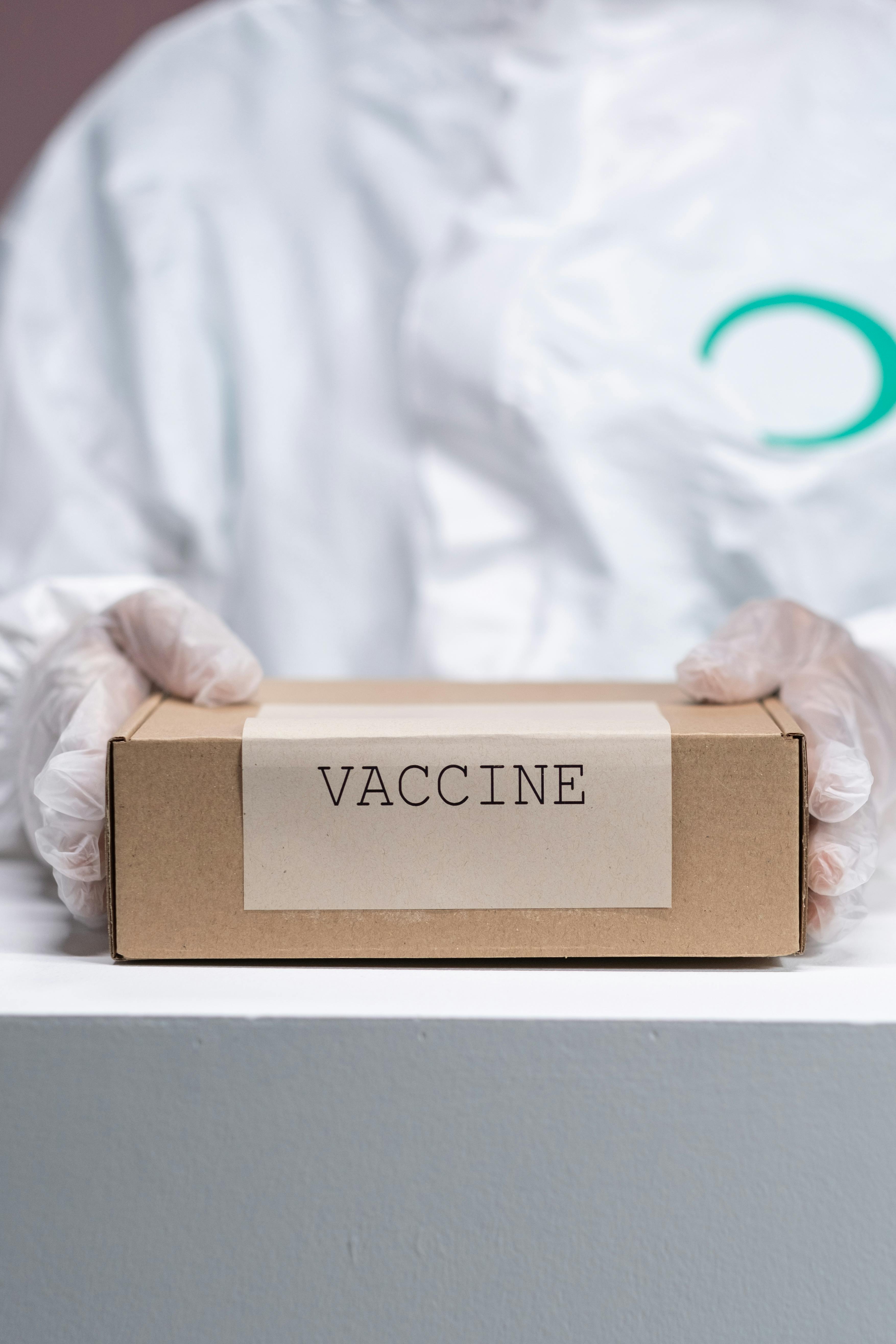
The Expanded Programme on Immunization coordinates immunization services and provides guidance to ensure that people receive recommended vaccines at the appropriate time. The programme supports vaccine planning, procurement, supply and distribution, as well as strengthening the systems needed to maintain vaccine quality and reach eligible populations.
Key functions include:
4. Integrated Management of Childhood Illnesses (IMCI)
The IMCI programme supports integrated management of common childhood illnesses, including malaria, pneumonia, diarrhoea and undernutrition. Services are supported through health facilities and community-level platforms, including trained Health Surveillance Assistants (HSAs).
Key functions include:
5. Neglected Tropical Diseases (NTDs)
The NTD function coordinates prevention, control, surveillance and elimination activities for neglected tropical diseases in Malawi. The Functional Review places NTD control and surveillance under Disease Control.
Priority NTD areas:
Main approaches include: mass drug administration for diseases such as lymphatic filariasis, onchocerciasis and schistosomiasis, and active case finding and treatment for trypanosomiasis. The September 2025 briefing notes confirm that leprosy is now part of the National TB Control Programme and is therefore presented under TB and Leprosy here.
